Built to Last
The Timeless Appeal of Quality Leather Furniture
Leather furniture has this particular way of grounding a space. It's not flashy or demanding attention, but it carries weight—both literally and figuratively. When you walk into a room anchored by a well-chosen leather piece, there's an immediate sense of substance, like the space has been lived in and loved. Leather is about the long view, about choosing pieces that will develop character alongside your life.
The appeal goes beyond the durability factor. Leather brings a natural texture that synthetic materials simply can't replicate, and it ages in a way that adds story rather than showing wear. Each mark, each subtle color shift becomes part of the piece's personality. It's furniture that gets better with time, which is increasingly rare in our throwaway culture.
The Foundation: Understanding Leather as a Design Element
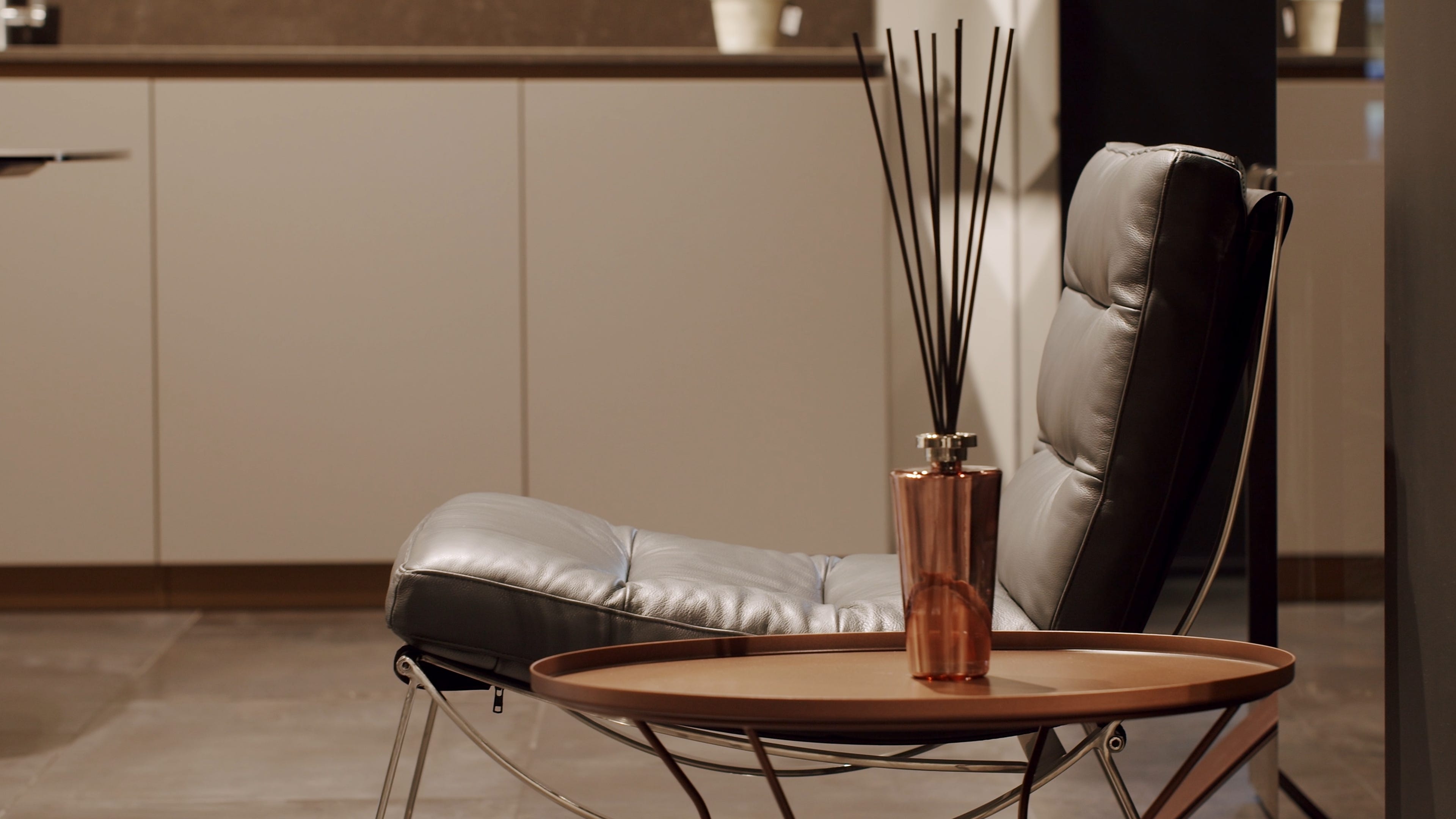
Before diving into styling specifics, it helps to understand what leather brings to a room from a design perspective. Unlike fabric upholstery that can feel light or airy, leather has presence. It adds visual weight, which can be exactly what a space needs to feel balanced and intentional. This weight isn't necessarily heavy in a burdensome way—it's more like the difference between a watercolor and an oil painting. Both have their place, but leather gives you that richness and depth that grounds everything else.
The texture factor is significant too. Leather's smooth surface creates interesting contrasts when paired with rougher materials like woven textiles or natural wood. This play between smooth and textured surfaces adds visual interest without requiring bold patterns or bright colors. The material itself becomes the design element.
Color-wise, leather tends toward earth tones—rich browns, warm tans, deep blacks, and occasionally more adventurous shades like burgundy or navy. These colors have staying power. They don't date themselves the way some fabric choices might, and they provide a neutral foundation that can adapt to changing decor around them.
Styling Strategies: Building Around Leather
Working with Existing Architecture
Leather furniture works differently depending on your home’s architectural style, and understanding these relationships can help you make better choices. In homes with traditional architecture—think crown molding, built-in bookshelves, formal proportions—leather tends to enhance the established character. Rich brown leather feels at home with dark wood trim and classic proportions.
In more modern spaces with clean lines and minimal details, leather can provide the warmth and texture that prevents the space from feeling cold. A sleek leather sofa in a modern living room with large windows and minimal ornamentation creates an interesting tension between the organic material and the clean architectural lines.
Mid-century homes present the most natural partnership with leather furniture. The era’s emphasis on natural materials and organic shapes makes leather feel like an obvious choice. The scale of mid-century furniture also tends to work well with leather’s substantial presence—neither overwhelming the other.
Color Coordination Without Overthinking
One of leather's advantages is its color stability. Unlike fabric that might fade or change over time, quality leather maintains its color integrity while developing character through use. This makes it easier to build a color scheme around leather pieces because you can trust they'll look essentially the same years from now.
Neutral leather colors—browns, tans, blacks—provide flexibility for the rest of your color choices. You can go bold with accent colors in pillows, throws, or artwork, knowing the leather will anchor these choices rather than compete with them. The leather becomes the stable element that allows other colors to change with your moods or the seasons.
For those drawn to more colorful leather options, the approach shifts slightly. A burgundy leather chair or navy sofa makes a stronger statement and requires more careful consideration of surrounding colors. These pieces often work best when treated as the room's color anchor, with other elements chosen to complement rather than compete.
Mixing Materials and Textures
The interplay between leather and other materials creates much of the visual interest in a well-designed space. Leather's smooth surface provides an excellent contrast to rougher textures like jute rugs, linen curtains, or wool throws. This textural mixing prevents spaces from feeling flat or one-dimensional.
Wood remains leather's most natural partner. The combination feels organic and unforced—both materials age gracefully and improve with time. Different wood tones can create different moods: lighter woods like oak or ash keep things feeling fresh and casual, while darker woods like walnut or mahogany create a more formal, traditional atmosphere.
Metal introduces a different energy. Brass or bronze accents can enhance leather's warm tones, while steel or chrome creates a more contemporary contrast. The key is not overdoing the metal elements—a few well-chosen pieces work better than trying to match every metal accent in the room.
Textiles provide the opportunity to soften leather's substantial presence. Linen cushions, wool throws, or cotton curtains add comfort and visual softness that balance leather's weight. The choice of textile can also influence the room's overall character: rough linens create a more casual, lived-in feel, while silk or velvet elevate the formality.
The Longevity Factor: Design That Endures
One of leather furniture's most valuable characteristics is its ability to transcend trends. While fabric choices might date a room to a particular era, quality leather maintains a timeless appeal that adapts to changing styles around it. This doesn't mean leather furniture is boring—it means it's stable in a way that allows other elements to evolve.
This stability has practical implications beyond aesthetics. Investing in quality leather pieces means you're less likely to feel the need to replace them as your tastes change or as trends shift. The money spent upfront on good leather furniture is money you won't need to spend again in five or ten years when that trendy fabric sofa starts looking dated or worn.
The patina that develops on leather over time is part of this enduring appeal. Rather than showing wear in a way that looks tired or shabby, leather develops character marks that enhance its appearance. This aging process means your furniture actually improves with time, becoming more interesting and personal as it adapts to your life.
Aging Gracefully
The way leather ages can actually enhance a room's design over time. Unlike materials that show wear as deterioration, leather's aging process adds character and visual interest. Planning for this aging process can be part of your design strategy.
Understanding how different leather types age helps inform initial color and finish choices. Some leathers darken over time, others develop more pronounced texture, and still others maintain their original appearance longer. Choosing leather types whose aging characteristics align with your vision for the space creates better long-term satisfaction.
The patina that develops on leather becomes part of the room's design story. Rather than trying to prevent this natural aging, embracing it as part of the material's appeal creates a more relaxed, authentic relationship with your furniture.
Character by Design
Leather furniture represents a particular approach to living with design—one that values longevity over novelty, character over perfection, and substance over surface appeal. It's not the right choice for every space or every lifestyle, but when it works, it brings a depth and authenticity that's hard to achieve with other materials. The key is understanding leather not just as upholstery, but as a design element that contributes to the overall character and livability of your space. Done thoughtfully, leather furniture becomes not just something you own, but something that becomes part of your daily life in a meaningful way.
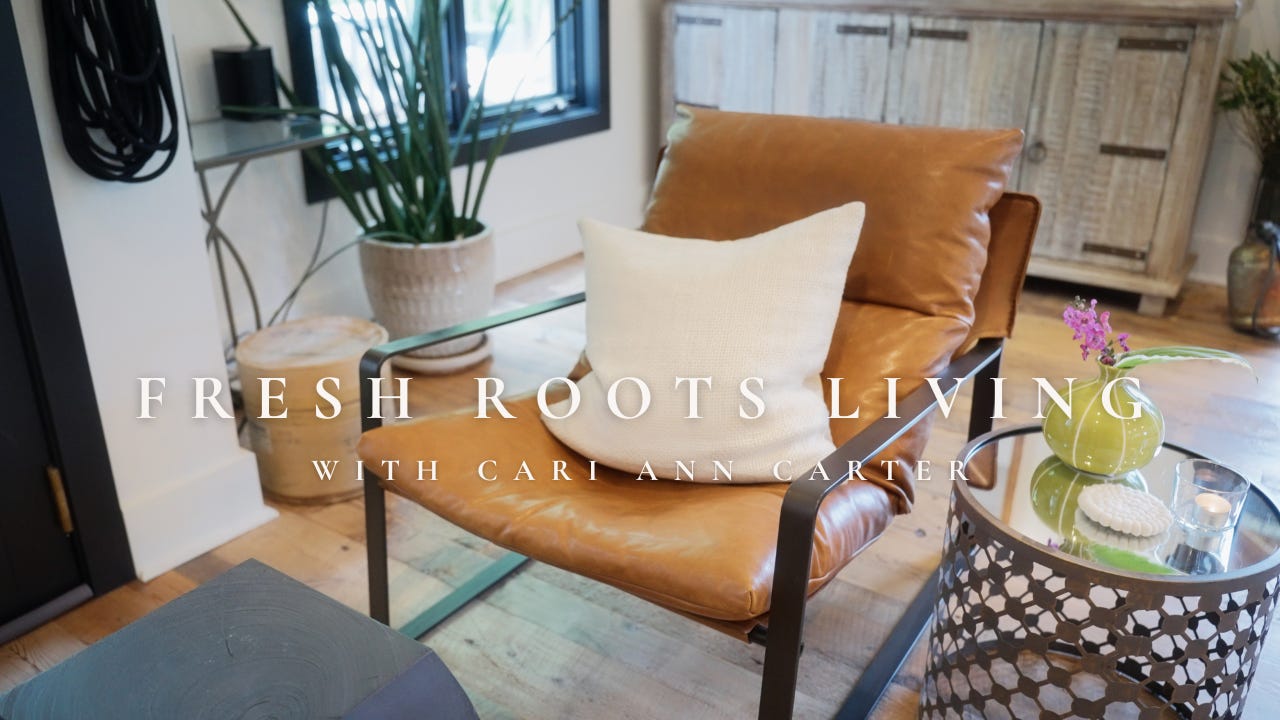
Spotlight: The Emmett Sling-Back Chair
Cari Ann Carter is the best-selling author of Are Your Roots Right? Rightsize Your Space. Reclaim Your Life. and a multi-faceted entrepreneur with a passion for intentional living, design, and home.
She leads the Cari Ann Carter Group, bringing over 28 years of experience in real estate, design, build, and renovation, and is the creative voice behind DIY Designer Homestead.
Through Fresh Roots Living, she shares practical ideas for cooking, gardening, entertaining, and creating a home that supports your next chapter.