

Decanting Red Wine
A Beginner's Guide to Elevating Your Sip

You've just uncorked a promising bottle of Cabernet Sauvignon, poured a glass, and taken that first anticipated sip—only to be met with a harsh, astringent bite that makes you wonder if you wasted your money. Here's the thing: that same bottle could taste completely different with one simple step that takes less time than deciding what to watch on Netflix.
Decanting red wine isn't some pretentious ritual reserved for sommelier show-offs. It's a straightforward technique that can transform a tight, tannic wine into something smooth and expressive, making even budget-friendly bottles taste like they cost twice as much. At its core, decanting involves pouring wine from its bottle into a specialized glass vessel, allowing the wine to breathe and unlock flavors you never knew were hiding in there.
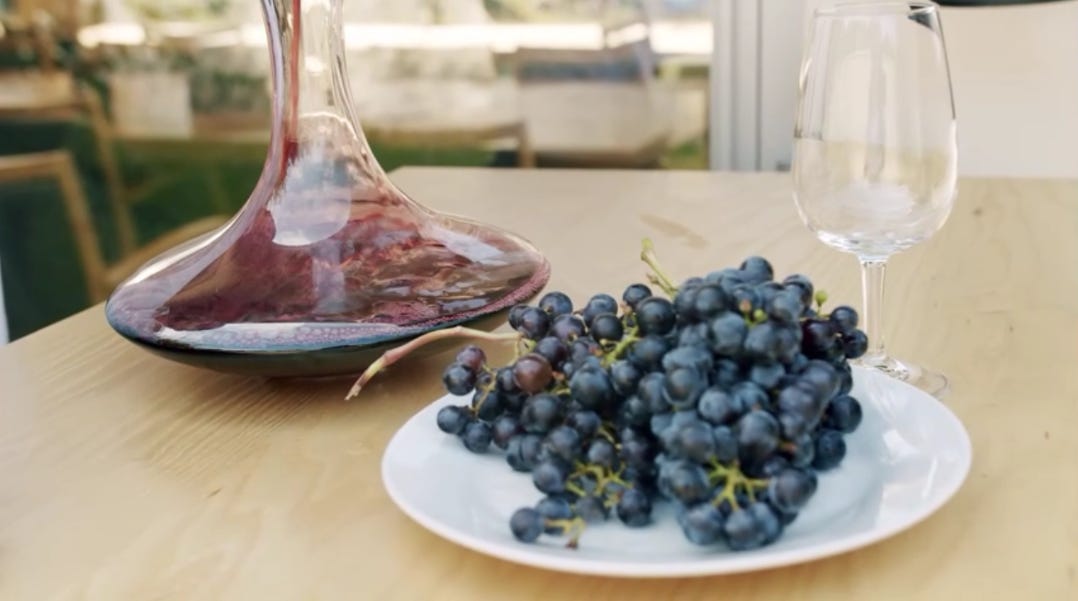
The decanter itself tells a story. Simple in its purpose, beautiful in its form, provocative in what it reveals about the wine within. Over the years, I've collected decanters from Murano glassblowers, discovered treasures in Bordeaux antique shops, and received gifts from winemaker friends who understood my passion. But beyond their aesthetic appeal, these vessels have taught me one of wine's most fundamental lessons: patience and air can transform even the most reluctant bottle into liquid poetry.
Why Your Red Wine Needs to Breathe
Red wines, especially bold varieties like Cabernet Sauvignon, Syrah, or Malbec, are like introverts at a party—they need time to open up before they show you their best side. When wine sits sealed in a bottle, it's cut off from oxygen, which can leave young reds tasting closed-off, with tannins that create that sandpaper-dry sensation across your tongue.
Think of tannins as the wine's backbone—they're natural compounds from grape skins that give structure but can feel harsh when concentrated. Exposure to air works like a gentle massage, softening these tannins so the wine's fruit flavors, spices, and earthy notes can emerge. You'll literally smell the difference as oxygen clears away any funky preservation odors and reveals the blackberry, vanilla, or tobacco notes the winemaker intended.
The sediment factor is equally important with older bottles. Red wines aged five years or more develop harmless but gritty particles that settle at the bottom. Decanting gently separates the clear wine from these deposits, ensuring every sip is smooth.
Studies from wine experts show that decanting can improve perceived quality by 20-30% in blind tastings. That $15 bottle could suddenly taste like it belongs in the $25-30 range.
Common mistake to avoid: Very old wines (20+ years) can lose their delicate flavors if over-exposed to air, so they need just 15-20 minutes max.
The Simple Steps to Better Wine
Decanting requires almost no equipment—just a decanter, your bottle, and maybe a flashlight for older wines with sediment.
1. Choose and Prepare Your Wine
Young, full-bodied reds need 30 minutes to an hour of breathing time, while mature wines need only 15-20 minutes. Stand the bottle upright for a few hours so any sediment settles to the bottom.
2. Open and Pour
Remove the cork and wipe the bottle neck clean. Hold your decanter at a slight angle and pour slowly and steadily. For wines with sediment, position a light source behind the bottle neck—you'll see the murky sediment approaching and can stop before it reaches the decanter. The splashing action as wine hits the decanter walls provides instant aeration.
3. Let Time Work
Place the decanter somewhere cool and away from direct sunlight. Taste every 15-20 minutes to track the evolution. You'll notice aromas becoming more pronounced and that harsh tannic bite mellowing into smooth, complex flavors.
4. Serve and Savor
Pour from the decanter into glasses, leaving any remaining sediment behind. Clean your decanter with just warm water (soap leaves residue) and let it air dry.
Quick test: Pour a small taste right after opening, then compare it to the same wine after 30 minutes in the decanter. The difference will convince you this works.
Choosing Your Decanting Companion
Over the years, I've accumulated decanters from around the world, each serving different purposes based on lessons learned through experience.
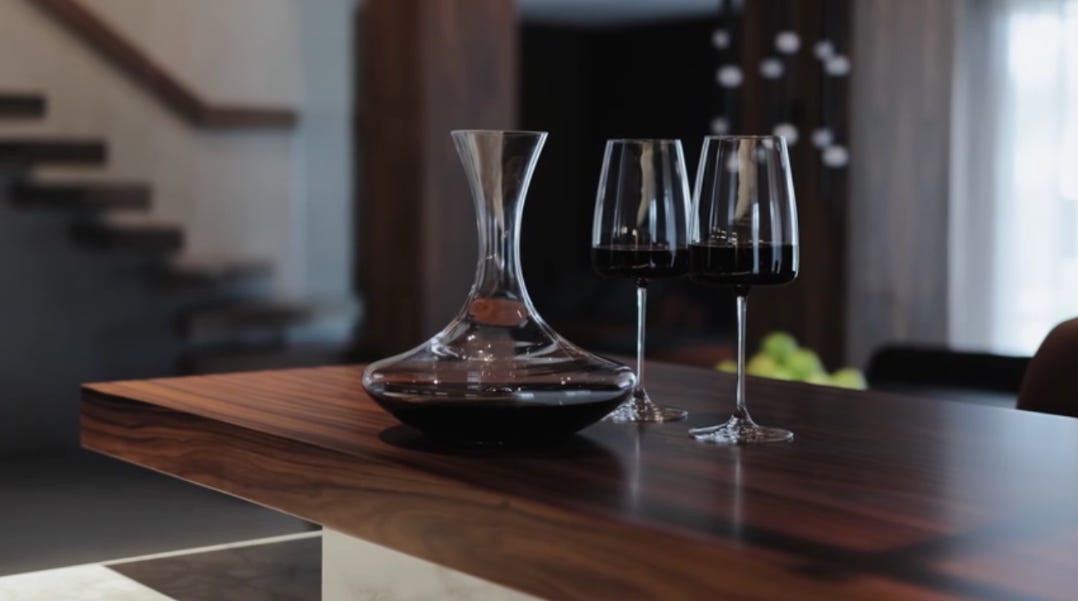
The Wide-Base Workhorse
My go-to for those young, powerful wines I encounter on visits to emerging regions like Washington State's Columbia Valley or Australia's McLaren Vale. The broad surface area works like magic on tannic wines that need serious air exposure. I remember using one for the first time with a dense Petit Verdot from Virginia's wine country—the transformation was remarkable.
Curved Elegance for Treasured Bottles
My collection of swan-neck decanters, including a stunning piece from a small artisan in Alsace, handles my most precious aged wines. The graceful curves provide control when dealing with valuable bottles that have developed sediment over years of careful cellaring. These are the vessels I choose for those special occasions when opening a wine that represents years of anticipation.
Modern Efficiency
For everyday wines, especially when I'm entertaining and want to enjoy multiple bottles from my collection, aerating decanters provide instant gratification. They're perfect for those spontaneous moments when friends drop by and I want to share something special without the wait.
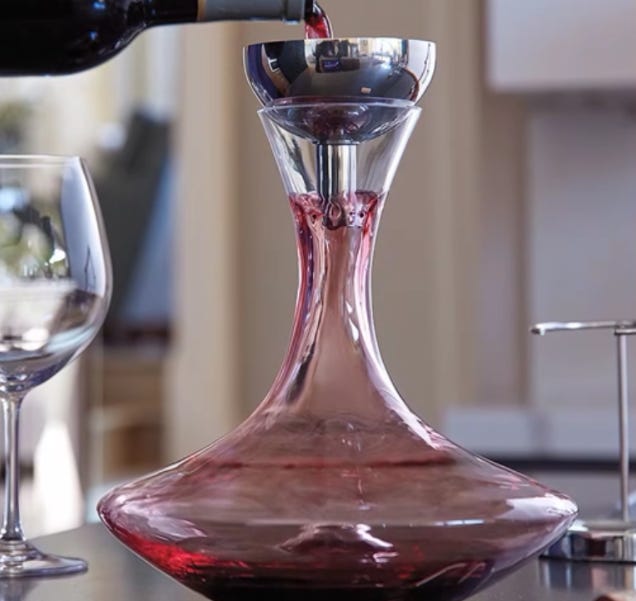
Aerator Decanter
For the impatient wine lover, these feature built-in chambers that force wine through small holes, introducing air instantly. They deliver results in seconds rather than minutes, great for everyday young reds when you don't want to wait.
Your decision guide: Go wide-based for bold wines needing heavy aeration, choose curved styles for precision with older bottles, or grab an aerator for everyday convenience.
Decanting transforms wine from a simple drink into an experience worth savoring. It's not about pretension—it's about getting the most from every bottle you open. Next time you're facing a red wine that tastes harsh or closed-off, give it the breathing room it deserves. You might discover layers of flavor that were hiding just beneath the surface, waiting for a little oxygen to set them free.
The Pour: A Moment of Connection
Opening the bottle is ceremonial. I clean the neck carefully—a habit developed from watching meticulous cellars masters across France and Italy. Holding my decanter at that practiced angle, I pour with steady confidence, watching the wine's color catch the light. For those precious older bottles, I position a candle or flashlight just as I learned in traditional European cellars, watching for the telltale cloudiness that signals it's time to stop.
The sound of wine meeting crystal, the immediate release of aromas that have been building for years—this moment never gets old. I've performed this ritual beside ancient stone walls in monastery cellars and on vineyard terraces overlooking endless vine rows, and the magic is always the same.
The Wait: Patience Rewarded
During those crucial breathing minutes, I often taste periodically, tracking the wine's evolution. It's become a meditation of sorts, watching harsh edges soften, hidden complexities emerge, and the wine gradually reveal layers that were completely masked when first opened. Some of my most memorable wine experiences have come from this simple patience—discovering notes of leather and tobacco in an aged Tempranillo, or finding delicate floral hints in a Nebbiolo that seemed impenetrable when first poured.
The Ritual's Deeper Meaning
After 35 years and thousands of bottles, decanting has become more than technique—it's a bridge between wine and experience. Every time I pour wine into a decanter, I'm participating in a tradition that connects me to centuries of wine lovers, to the vineyard workers whose hands shaped the grapes, to the winemakers whose vision guided the process.
Whether I'm preparing a simple bottle for a quiet evening or decanting a treasured vintage for a celebration, the ritual remains the same: patience, attention, and respect for what's in the glass. It's transformed countless good wines into memorable experiences and turned ordinary evenings into occasions worth savoring.
The next time you open a red wine that seems tight or harsh, remember that you're holding potential waiting to be unlocked. Give it the gift of air, the benefit of time, and the respect of proper presentation. In return, it might just reveal flavors and aromas you never knew were there—layers of complexity that make every sip a small journey through the vineyard, the vintage, and the vision of its creator.
After all these years, that simple act of pouring wine into a decanter still fills me with anticipation. Because I know that in thirty minutes, that harsh young wine will have blossomed, that tight expression will have opened, and what started as potential will have become pure pleasure.


We have partnered with a select group of resources, which means we may receive a small commission, at no additional cost to you. We only recommend products we trust and believe will be beneficial to our readers. For a complete list of our vendors, please click here for our Linktree.
Cari Ann Carter is the best-selling author of Are Your Roots Right? Rightsize Your Space. Reclaim Your Life. and a multi-faceted entrepreneur with a passion for intentional living, design, and home.
She leads the Cari Ann Carter Group, bringing over 28 years of experience in real estate, design, build, and renovation, and is the creative voice behind DIY Designer Homestead.
Through Fresh Roots Living, she shares practical ideas for cooking, gardening, entertaining, and creating a home that supports your next chapter.