

Right-Sizing Your Garden
Your Guide to Beautiful Organic Produce in Your Own Backyard

This is Part 1 of a four-part series on planning and building a productive home garden. Over the next four posts: what changed in our garden this year, the best plants to start with, how to get real return from your harvest, and the infrastructure that holds it all together.
Are you planting the garden you have time for—or the one you only wish you did?
Last season taught me a few hard lessons. Here’s what’s different now.
May in Minnesota is when every gardener becomes a gambler. Frost danger is mostly behind us, but there’s always one last cold snap waiting. This week proved that.
I used to plant the moment the soil was workable. Rush everything in. Overcommit the space. Then spend June exhausted and replanting what didn’t survive. That was last year’s pattern—and the year before that. And because we had somebody helping us put the garden in, the layers of planting in terms of height and position weren’t done in a way that produced well—nor was it easy to harvest due to how things were installed.
This spring, I stopped doing that. And the reason why taught me something I should have figured out ten years ago.
I planned for what I wanted the garden to be, not what I had time to tend. Those aren’t the same thing.
What Went Wrong Last Year
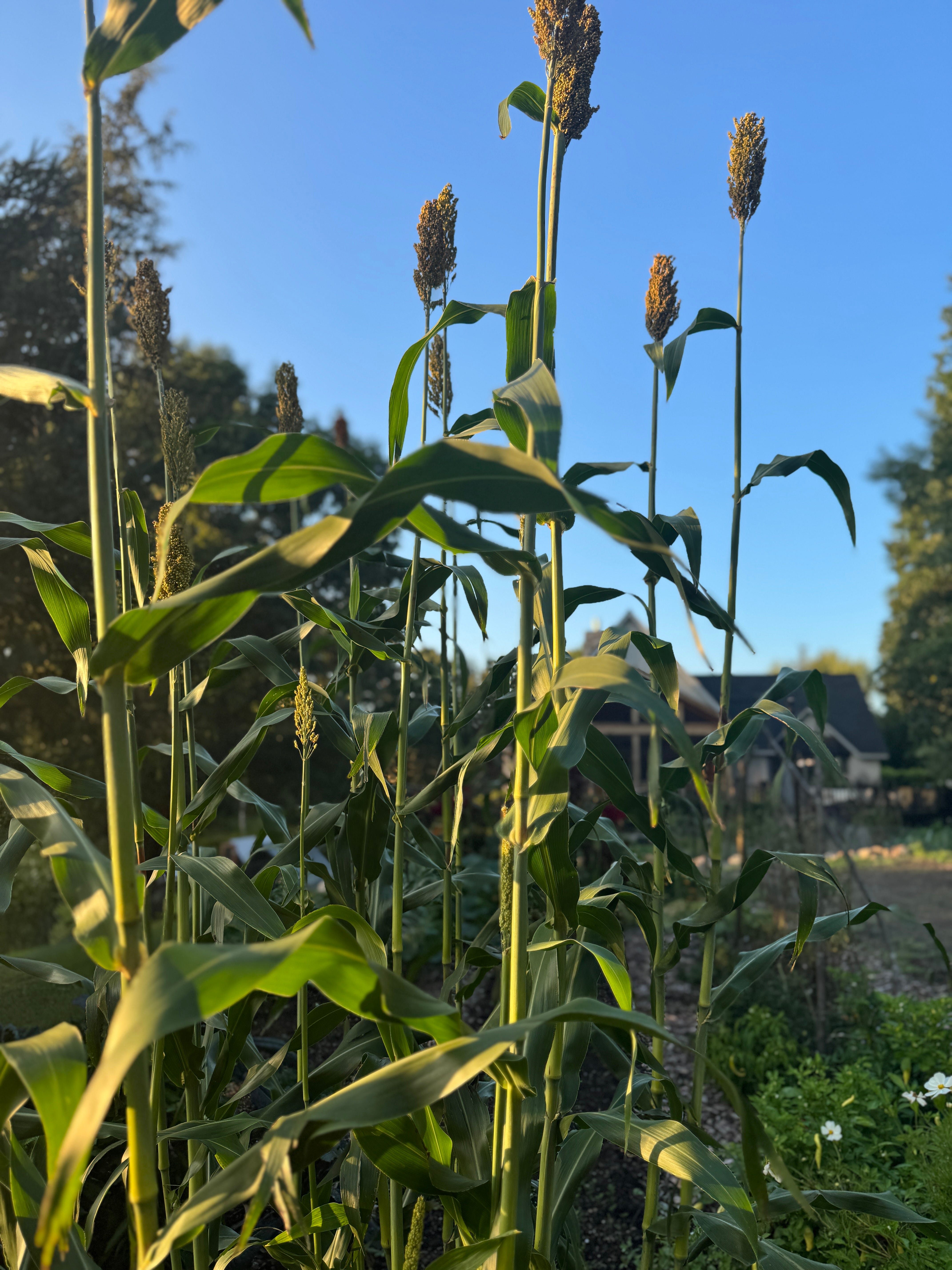
The bigger section of the garden underproduced. The short answer: poor planning on height. Taller plants went in front of shorter ones. Entire crops got partial sun at best. The tomatoes struggled. The beans were a mess. That section took more maintenance than it was worth, and by August I was tired of fighting it.
The other problem was scope. I pulled that section out at the end of the season. I didn’t replant it. That was the right call—but it took me longer to make it than it should have.
What I’m Doing Differently
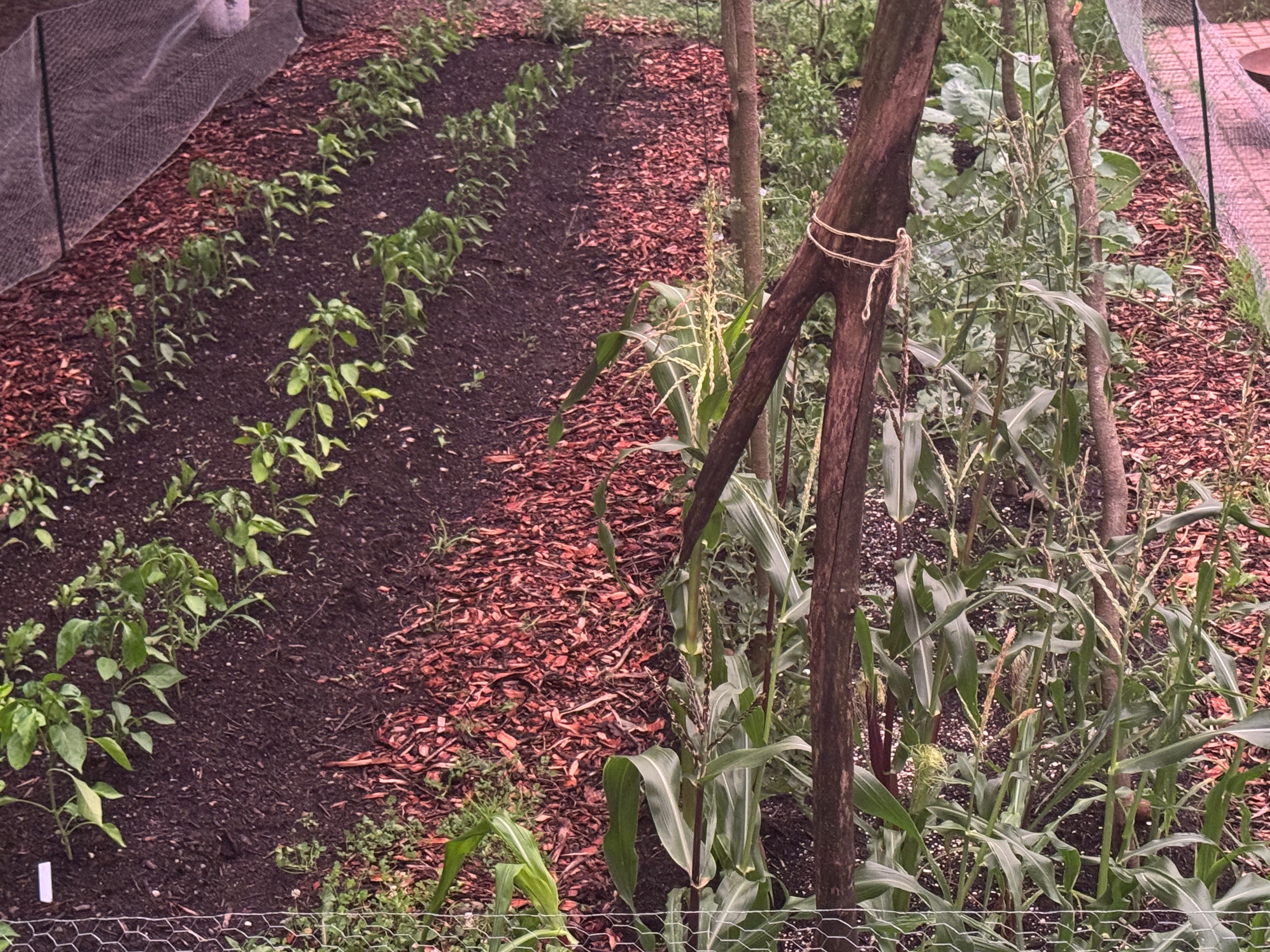
This year I’m treating the garden the same way I approach a home redesign: start with what the space can actually support, then build from there. Assess sun, drainage, and traffic patterns before a single seed goes in. Plan height intentionally—shorter plants in front, taller ones behind. Keep the scope manageable.
I’m also being more deliberate about what I plant and why. Every crop needs to earn its place. That means thinking about yield, maintenance, and how we’ll actually use it. No more filling beds because they’re empty.
The garden map this year is a real plan—not just a wishlist. I made it printable so you can use it as a starting point for your own beds, scaled to whatever you’re working with.
The 2026 Garden Map—the full layout I’m working from this season—is available to Inner Circle members below.
What’s Going In
The vegetable beds are focused on high-yield, low-maintenance crops: tomatoes, squash, beans, cucumbers, and a dedicated salad garden. The cucumbers and squash will grow vertically on a new cattle panel archway running down the main walkway. That structure goes up this week—and that one I’m really excited for. It’s such a practical way to manage the vines and the structure will be as functional as it is beautiful.
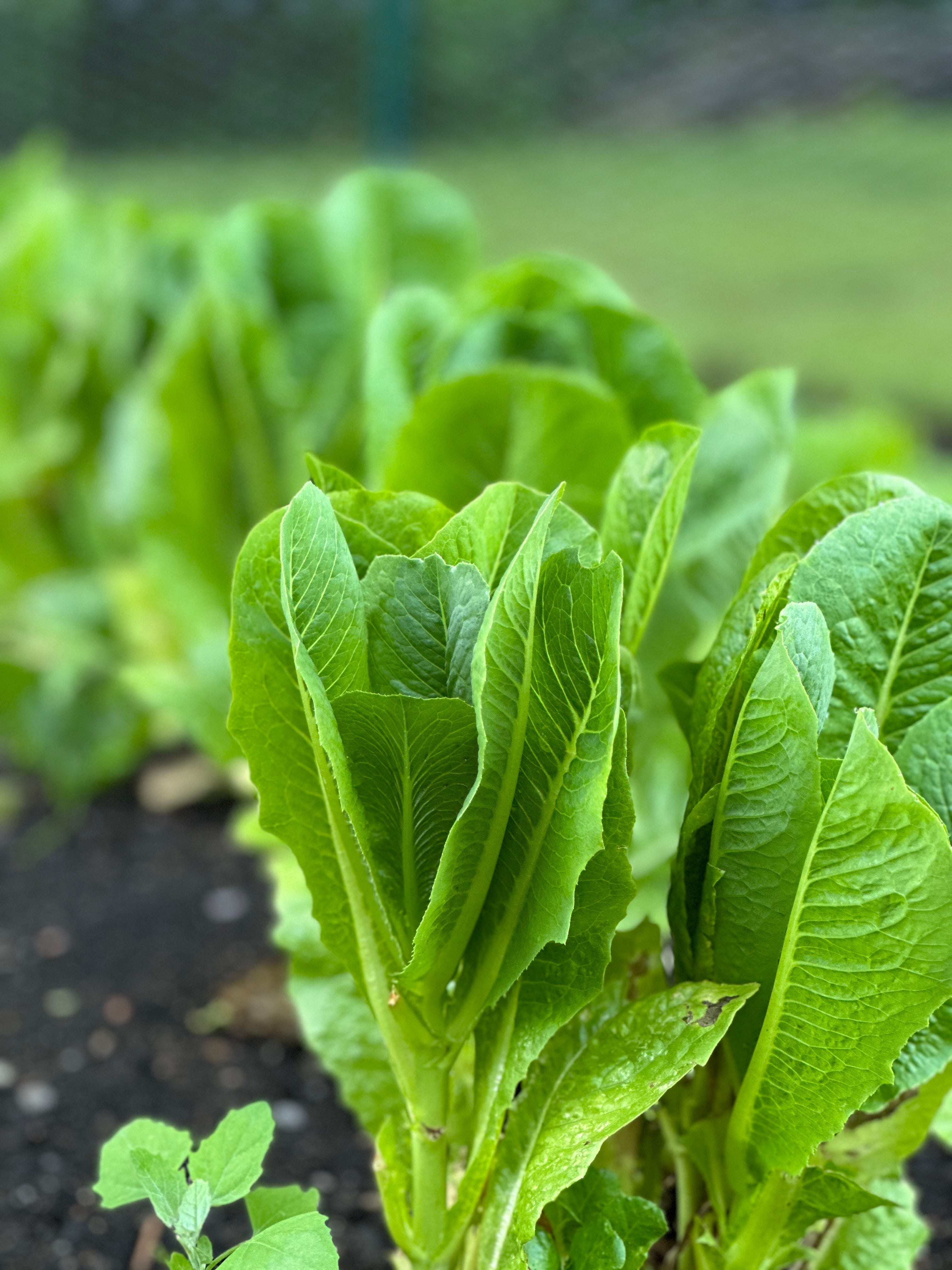
We also produce a wide variety of lettuce because we do a lot of entertaining. I love arugula, butter lettuce, romaine, kale, and mixed greens. Of course a dedicated basil bed is always a go-to for amazing sauces and fresh accents for our charcuterie. I’m a huge fan of herbs, so I dedicate an entire garden to just that. And then there’s always the sprinkling of incredible flowers.
We’re expanding lavender and rosemary along the back border and down either side of the mulch path. Eventually this whole space will be transformed into a natural pool, but for the time being I wanted it to be beautiful, so I’m creating a wildflower bed for cutting bouquets. I’ll be sharing visuals and planting techniques as we move through the season.
I have a wonderful horticulturist and botanical specialist who happens to live in the area and has become a very good friend. She comes over regularly to give me advice, which I’m always grateful for, and I’ll be happy to pass all of the new ideas along as we continue down our journey.
I think the biggest takeaway is: you can scale your garden to a manageable size and still grow clean, organic food right outside your door. And the return goes beyond the harvest. After all, we all know there’s nothing more important than our health and wellness. Gardening is as good for your mind as it is for your body.
A Note on Pace
We are preparing our beds in real time right now. The weather pushed us back. That’s fine. Planting too early in this zone costs you more than waiting does. A late start in the right conditions beats an early start in the wrong ones.
If you’re behind schedule this spring—you’re probably right on time.

Are Your Roots Right?
If you’re rethinking your space—indoors or out—this book walks through the same process. How to assess what’s working, let go of what isn’t, and build something that actually fits your life. Available here.
FRESH ROOTS INNER CIRCLE
The 2026 Garden Map is waiting for you.
The actual layout I’m working from this season—bed placement, height layering, cattle panel positioning, and full planting plan. Printable PDF, scalable to a single raised bed.
What’s included for Inner Circle members:
The full 2026 garden layout — printable PDF
Part 2: Which plants make the best starting points
Part 3: How to get real return from your harvest
Part 4: Infrastructure that holds it all together
Every seasonal post, recipe, and homestead guide — full access
Starting at $5/month · Cancel anytime
