


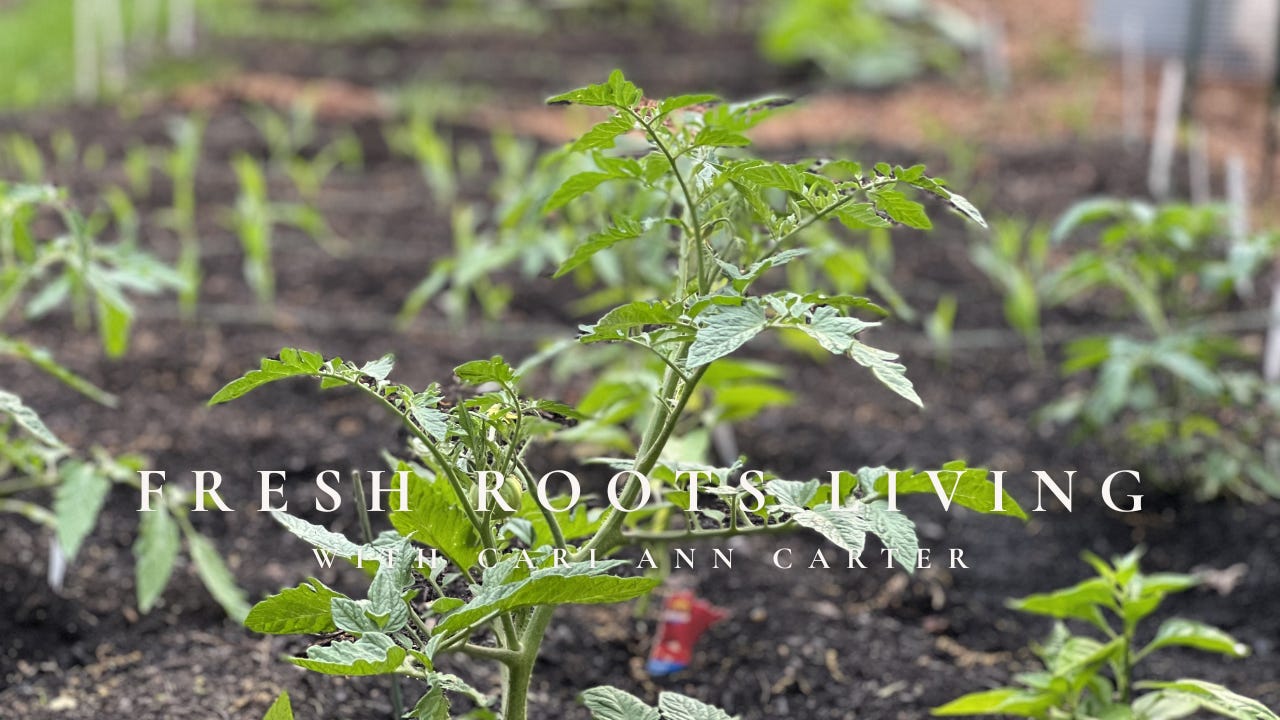
Welcome to our 4-part Garden Planning Series! A productive garden starts long before the first harvest. Over four posts, we’re sharing the lessons, systems, and projects shaping our garden this season—from right-sizing your space and choosing plants that earn their place, to planning for the harvest and building the infrastructure that makes a garden easier to maintain and more enjoyable to spend time in.
Part 1 “Right-Sizing Your Garden“
Part 2 “Three Plants That Earn Their Space“
Part 3 “The ROI of Growing Your Own Food“
Part 4 “Building a Garden Worth Living In“
Here’s a question I want you to sit with before we go any further:
When did you last slow down enough to put your hands in the dirt?
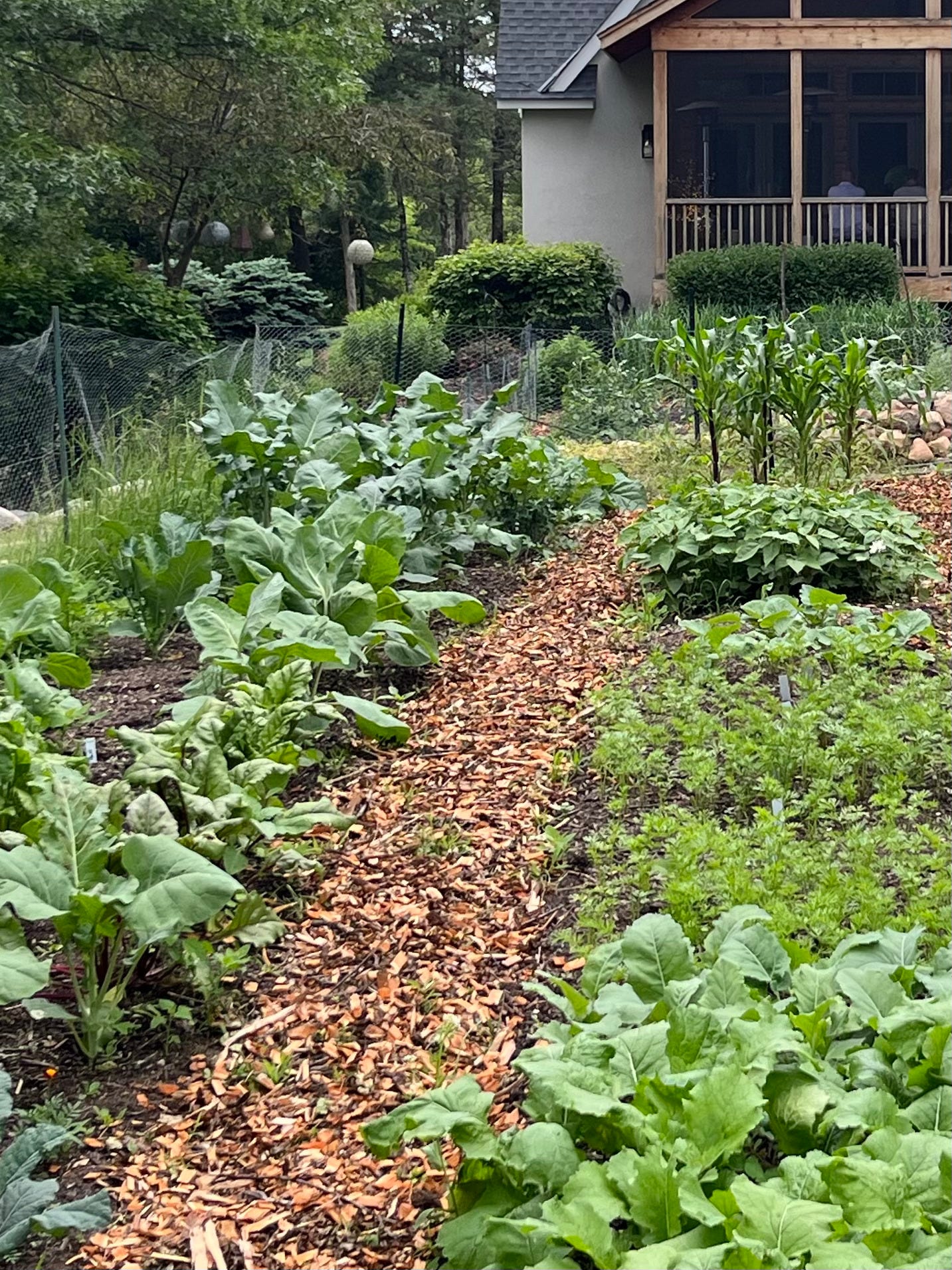
The light in the early morning before the heat sets in. The smell of tomato leaves when you brush past them. The quiet that comes from being outside, focused on something living.
Working in the garden is one of the most underrated ways to calm a nervous system that modern life keeps wound tight. The repetition of it. The physicality. The way your mind stops spinning because your hands are busy and the earth is right there beneath you.
And then there’s the other reason we do this — the one that matters more and more every season.
What is actually in our food?
The use of chemicals, pesticides, and post-harvest treatments in our food supply has quietly expanded in ways most people are not tracking. Even organic produce has often traveled hundreds of miles before it reaches your kitchen. Growing your own changes that. You control the inputs. You know the soil. You pick it when it is ready.
That kind of certainty matters.
The garden gives you both things at once: the grounding your nervous system is craving and the clean, intentional food your body deserves.
That is the ROI we are really talking about.
What You’re Actually Getting
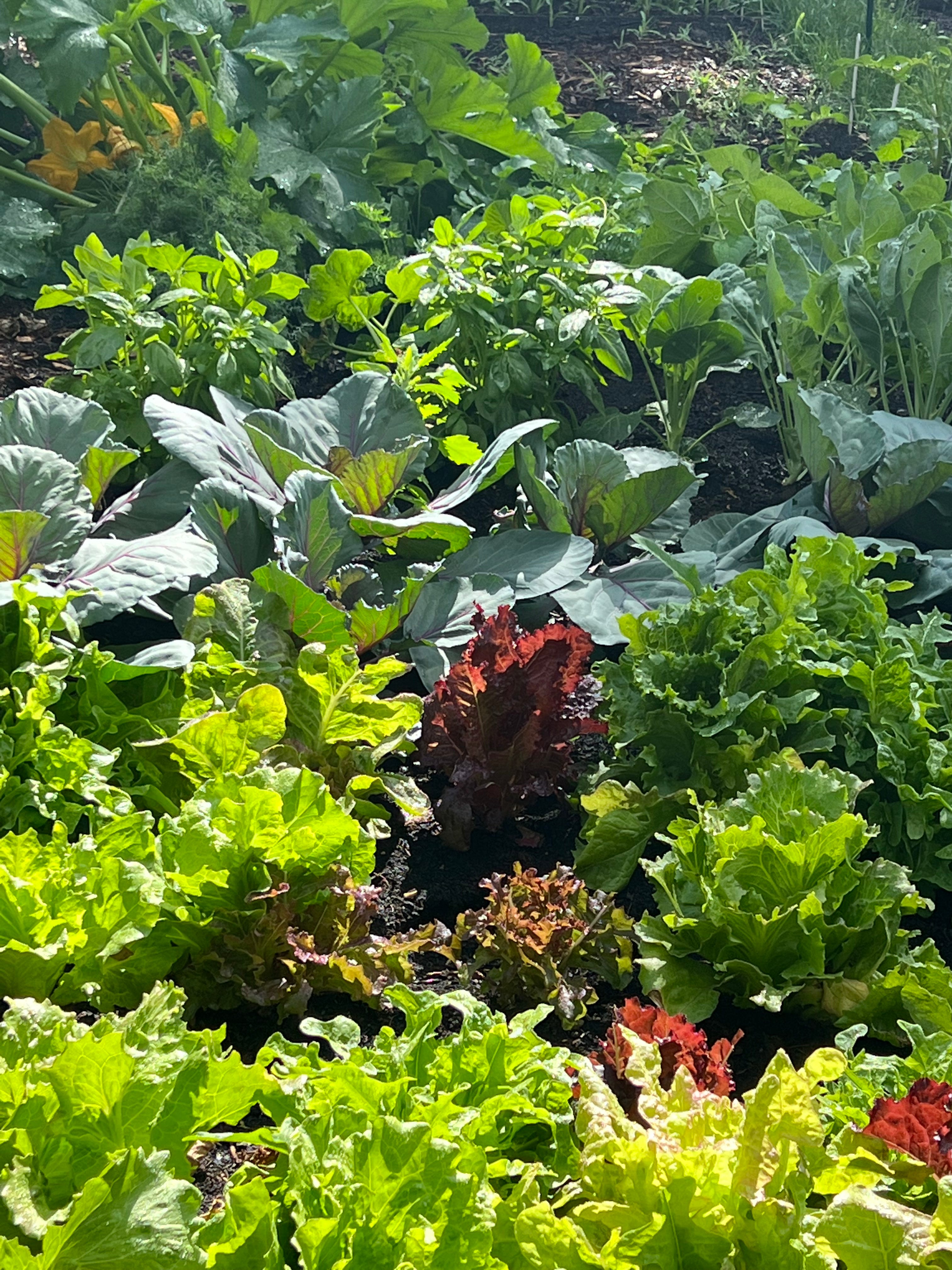
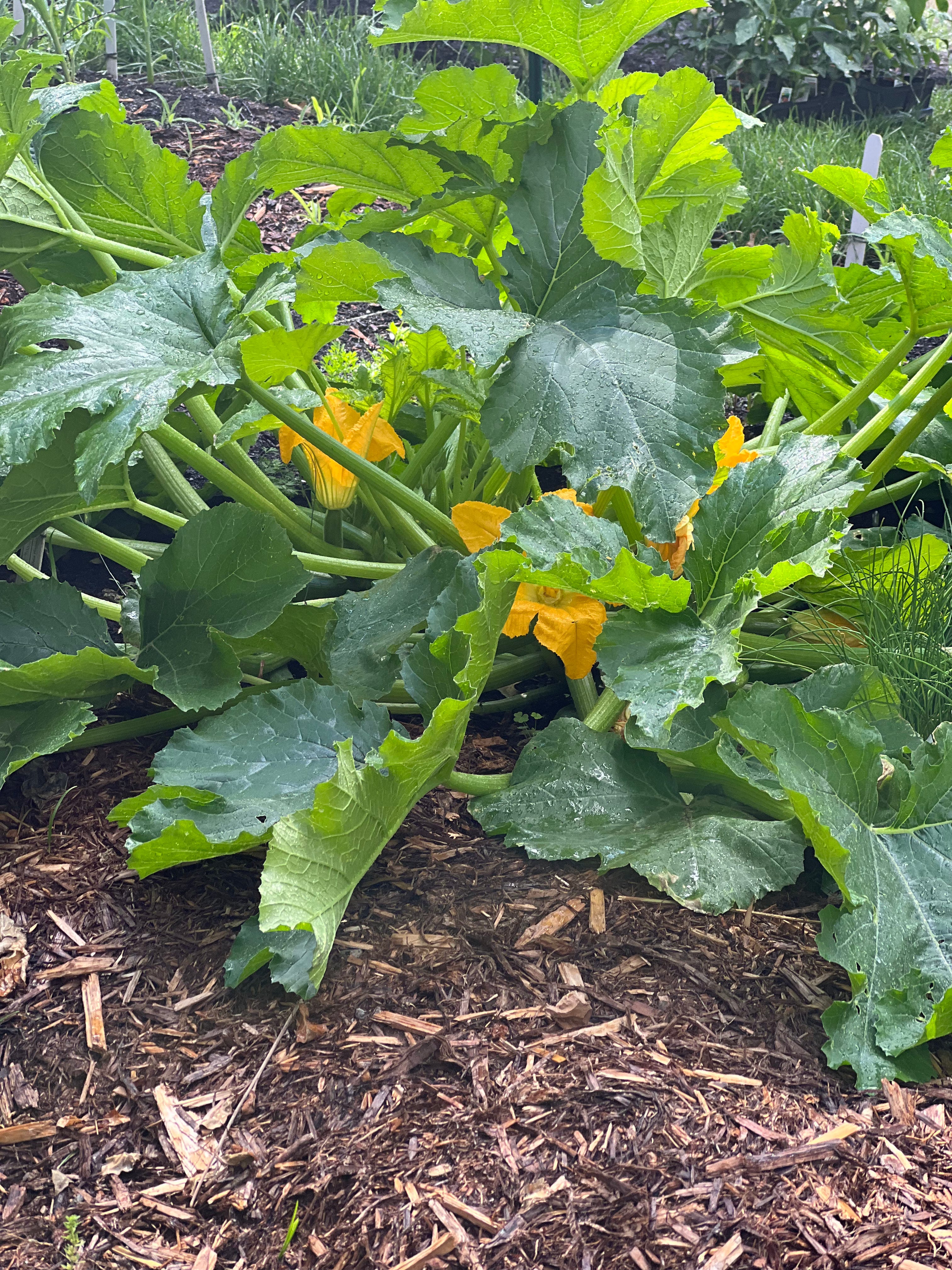
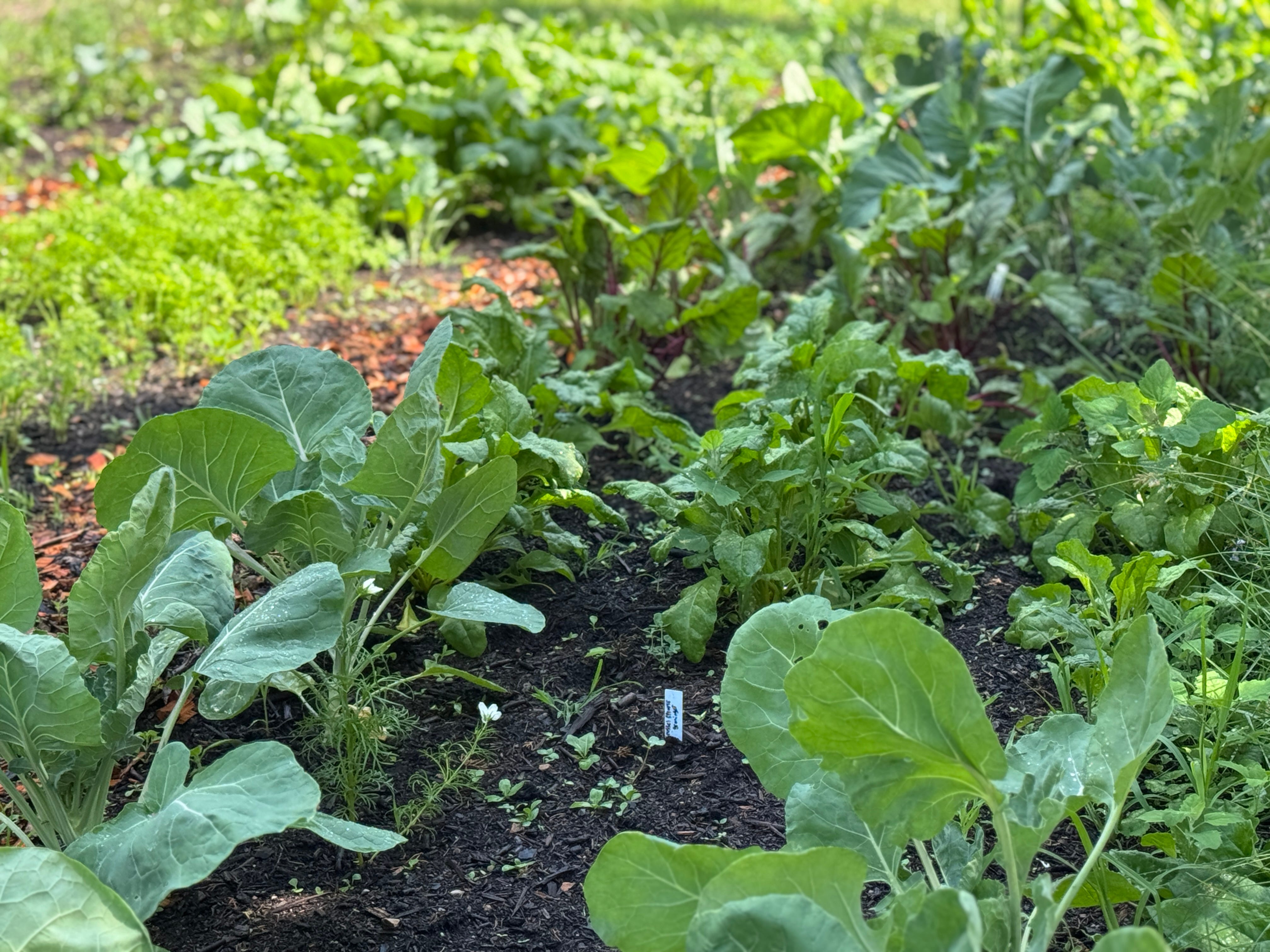
A twelve-by-twelve vegetable bed, well planted and tended through the season, produces more than most households can eat fresh. Tomatoes, squash, beans, cucumbers. These are generous crops.
But the return is not just volume. It is knowing.
You know the soil. You know nothing was sprayed after harvest to extend shelf life. You know it was picked at peak and used at peak.
That matters more now than it did even five years ago.
The Gap Nobody Talks About
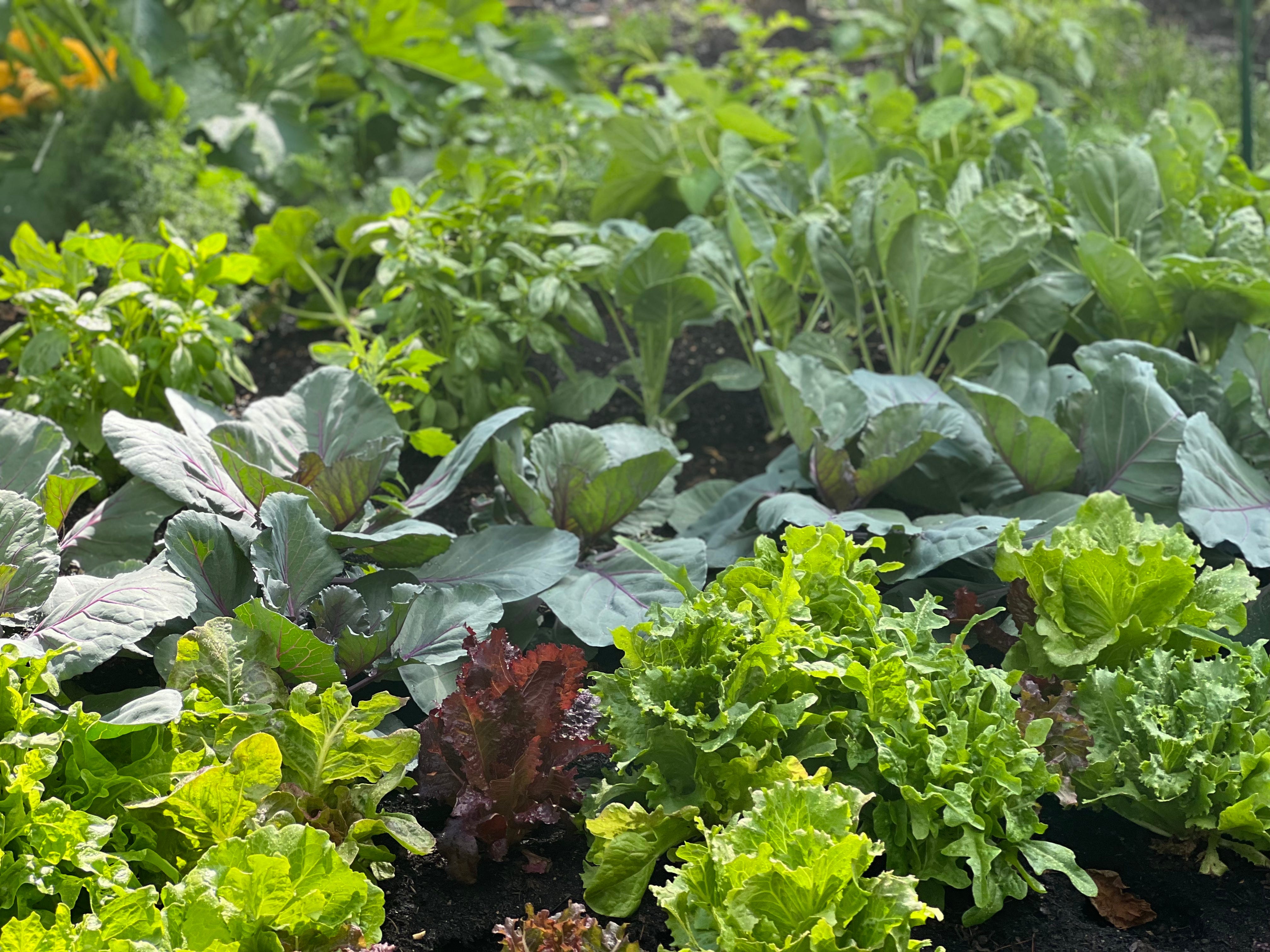
Here is where most gardeners hit a wall: the garden produces more than they can cook fresh, and there is no system in place for the rest.
The food goes to waste. The effort feels bigger than the return. The whole thing starts to feel harder than it should.
The fix is not working harder. It is planning for preservation before the harvest starts.
Here are four methods worth having in your toolkit:
Freeze drying preserves nutritional value extremely well and creates shelf-stable food that lasts for years. Great for tomatoes, herbs, cooked beans, and most vegetables.
Pickling and fermentation work beautifully for cucumbers, peppers, and green beans. The process is simpler than most people think once you try it the first time.
Blanching and freezing is the most approachable method. No special equipment. Beans, squash, corn, and greens all hold up well this way.
Dehydrating shrinks volume significantly and gives you ingredients for soups, sauces, and dry rubs all winter long.
How This Plays Out Across the Year
A well-planted garden, paired with even a simple preservation system, carries you through fall and into winter.
That means fewer grocery trips for produce during the months when local options are limited and prices climb. It means cooking with food you actually grew.
Meals start getting planned around what is already in the pantry instead of whatever happens to be on sale.
That is the actual ROI.
Not a dramatic line item on a spreadsheet. A quieter, steadier relationship with food, your kitchen, and your home.
Our Food Preservation Collection


The same principle applies to your home. When you stop fighting what you have and start working with it, the return on your effort changes completely. Are Your Roots Right? is the framework for that conversation. Available on Amazon.
Inner Circle members get the full downloadable Harvest & Preservation Planning Guide, including crop timing, storage methods, preservation timelines, and the exact setup checklist we use before peak harvest season hits. It is designed to be practical. Print it. Keep it in the kitchen. Reference it when the tomatoes all ripen at once and the freezer starts filling up. Paid members also receive every part of this garden series, future downloads, seasonal planning guides, and the deeper how-to content we only share inside the Fresh Roots Living Inner Circle.
